
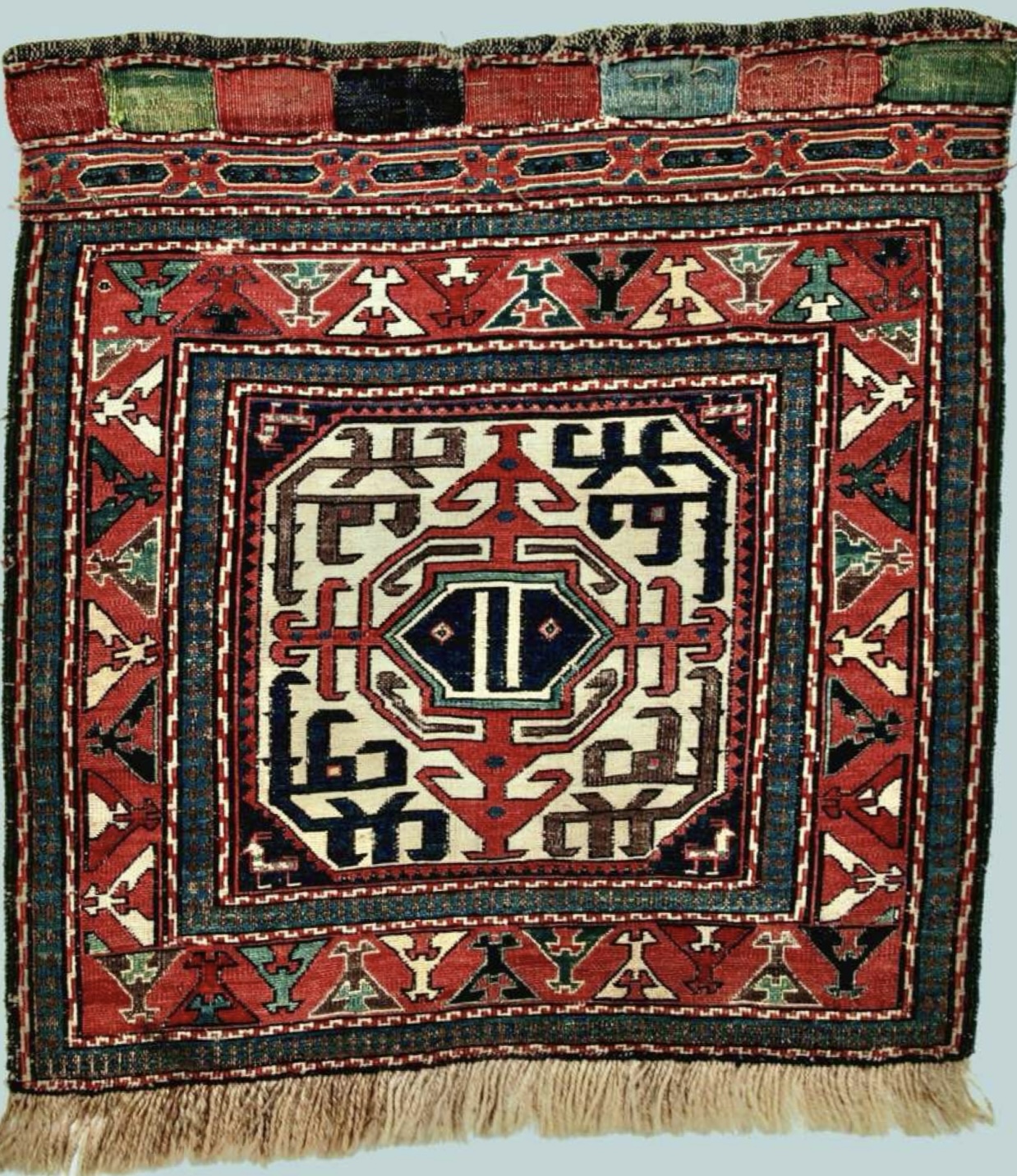
The (xurcun, Khorjin, Heybe) or tribal bag has never been merely a carrying tool. Throughout history it has been an essential part of nomadic and pastoral life — a vessel of identity, memory and belonging. Whether worn over the shoulder, hung from a horse’s saddle or balanced on both sides of a camel, its function exceeded practicality.
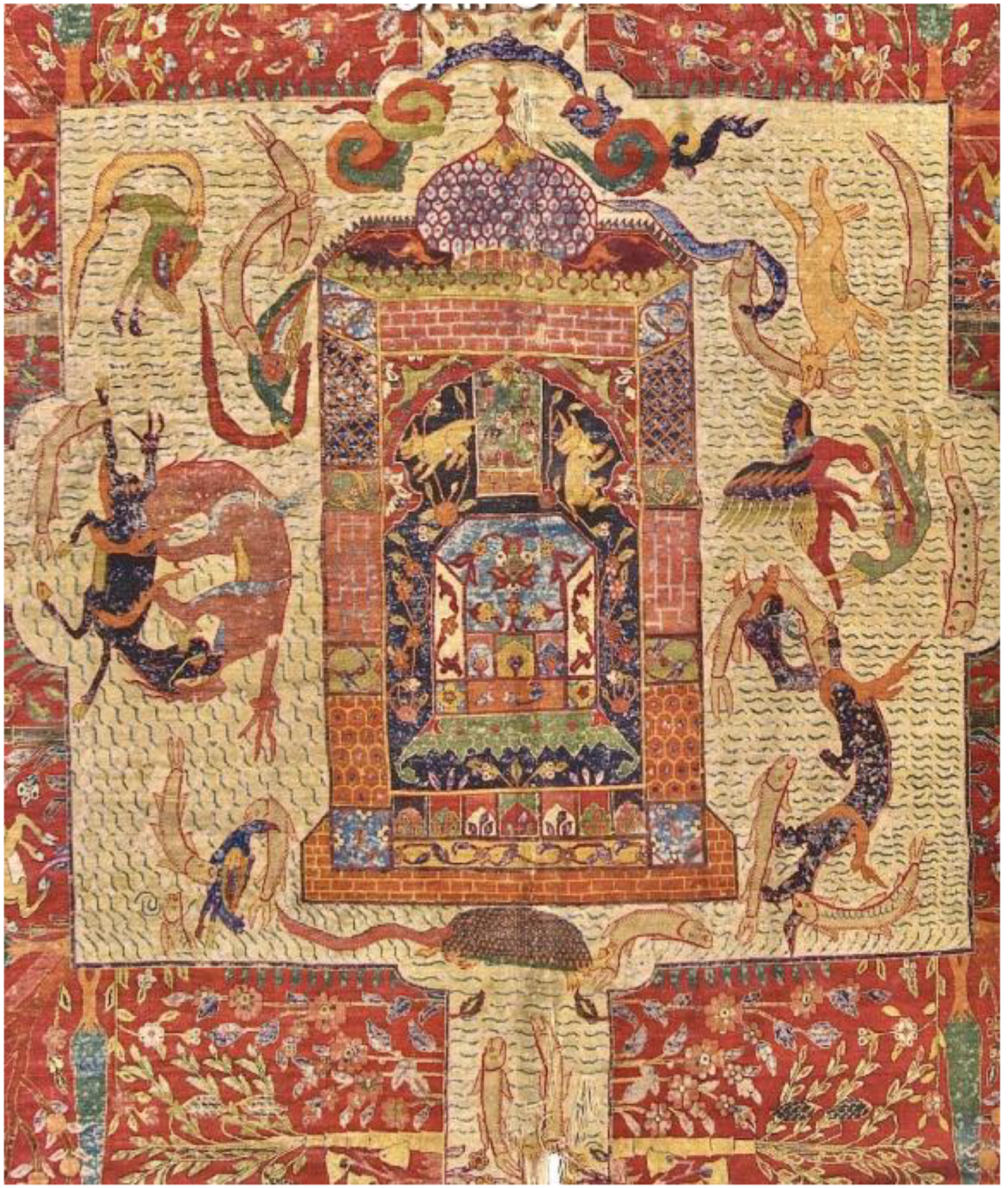
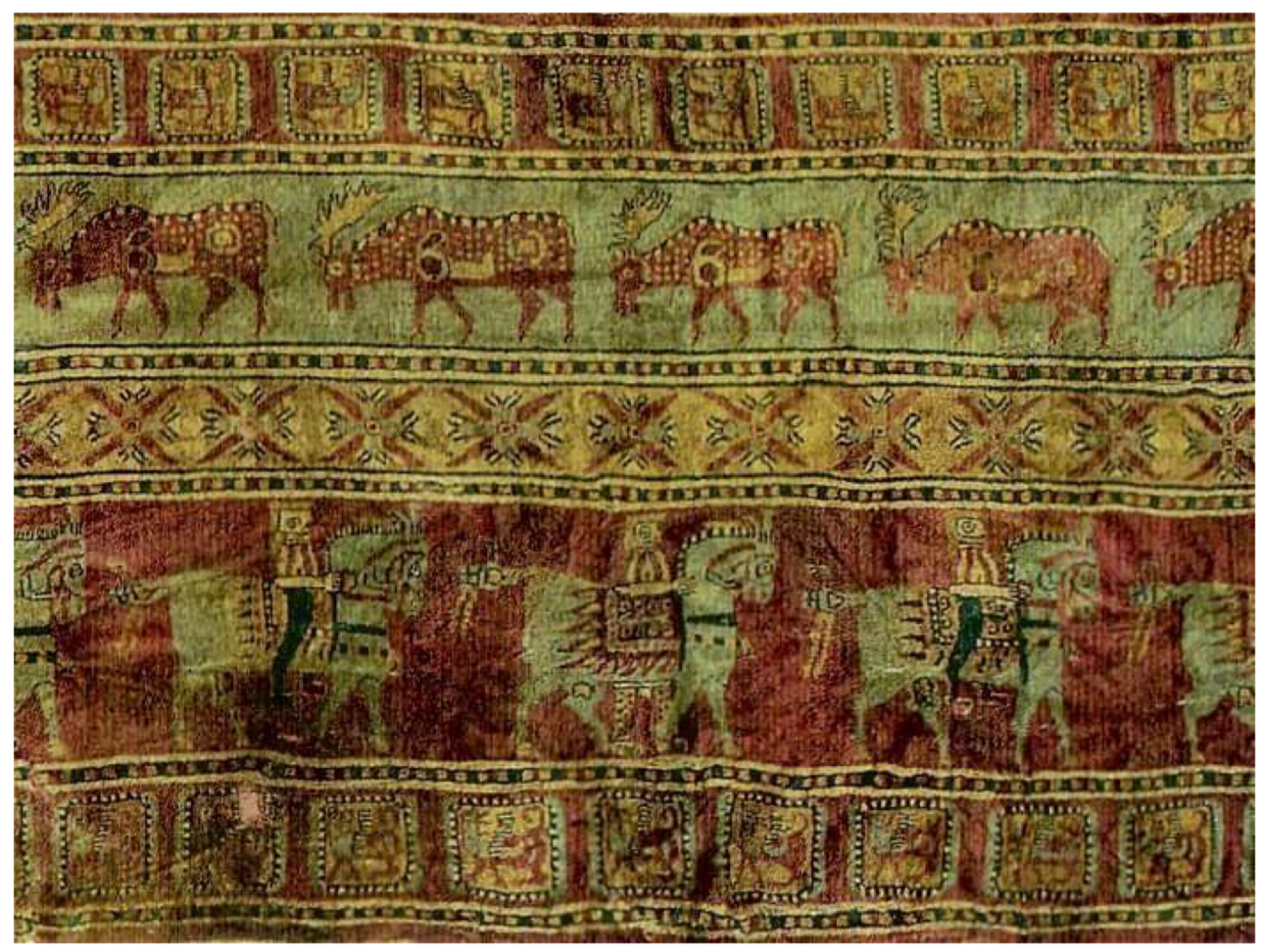
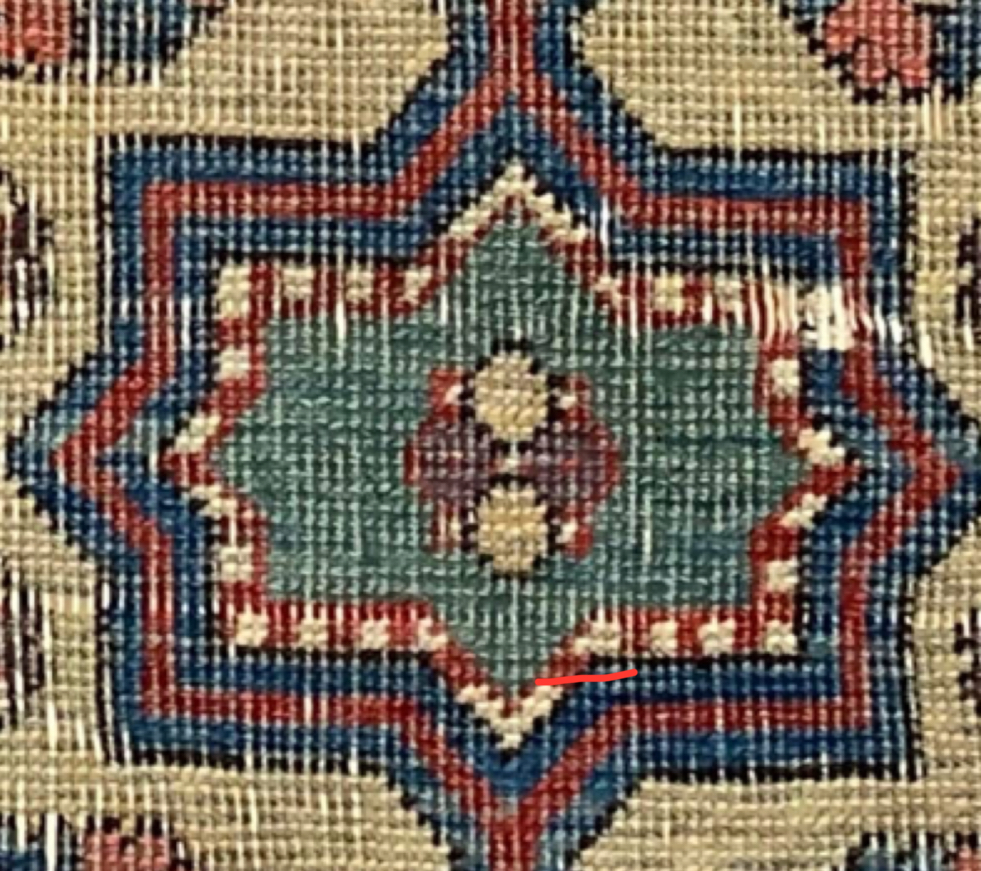
The star is one of the most ancient and enduring symbols found in tribal woven art. Across Turkic nomadic cultures, as well as in Islamic, Persian, and Sufi traditions, the star motif has carried deep cosmological, spiritual, and protective meanings. Far beyond a decorative element, it represents a bridge between the earthly and the celestial — a woven echo of the sacred order of the universe.
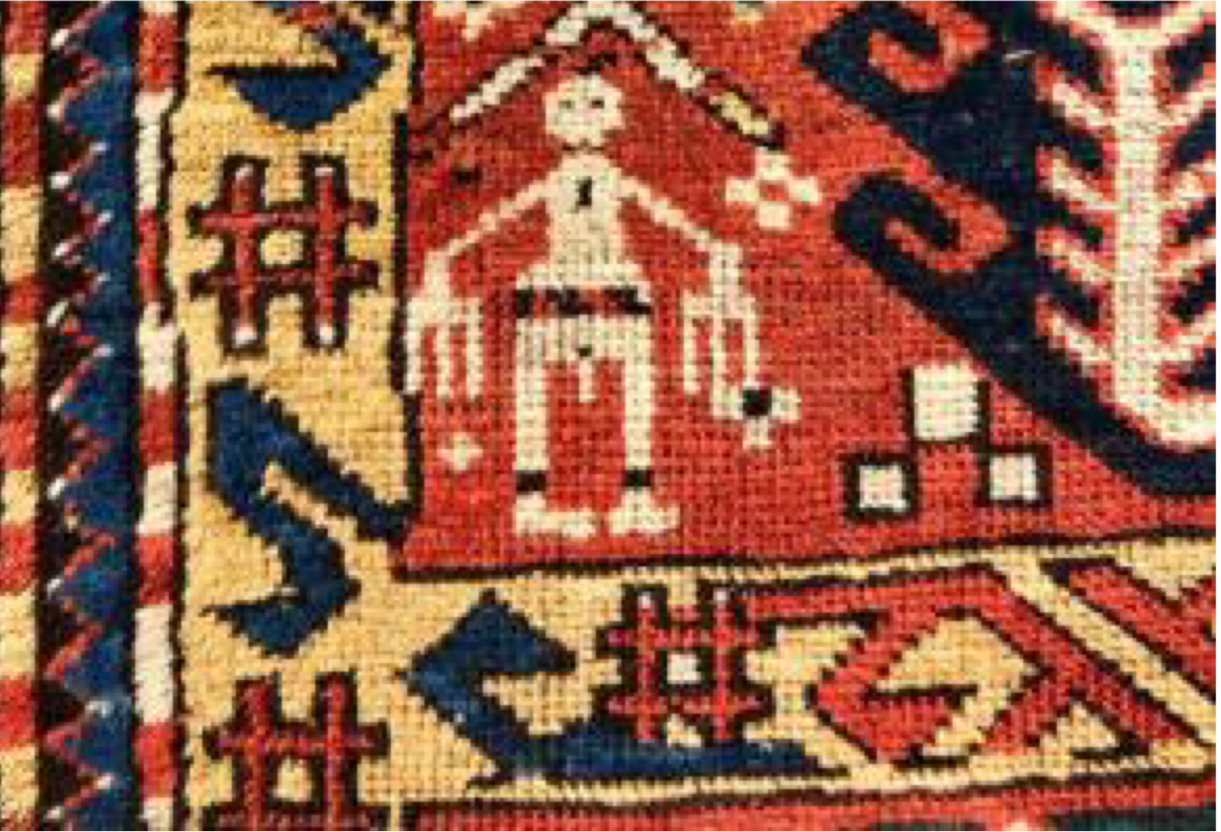
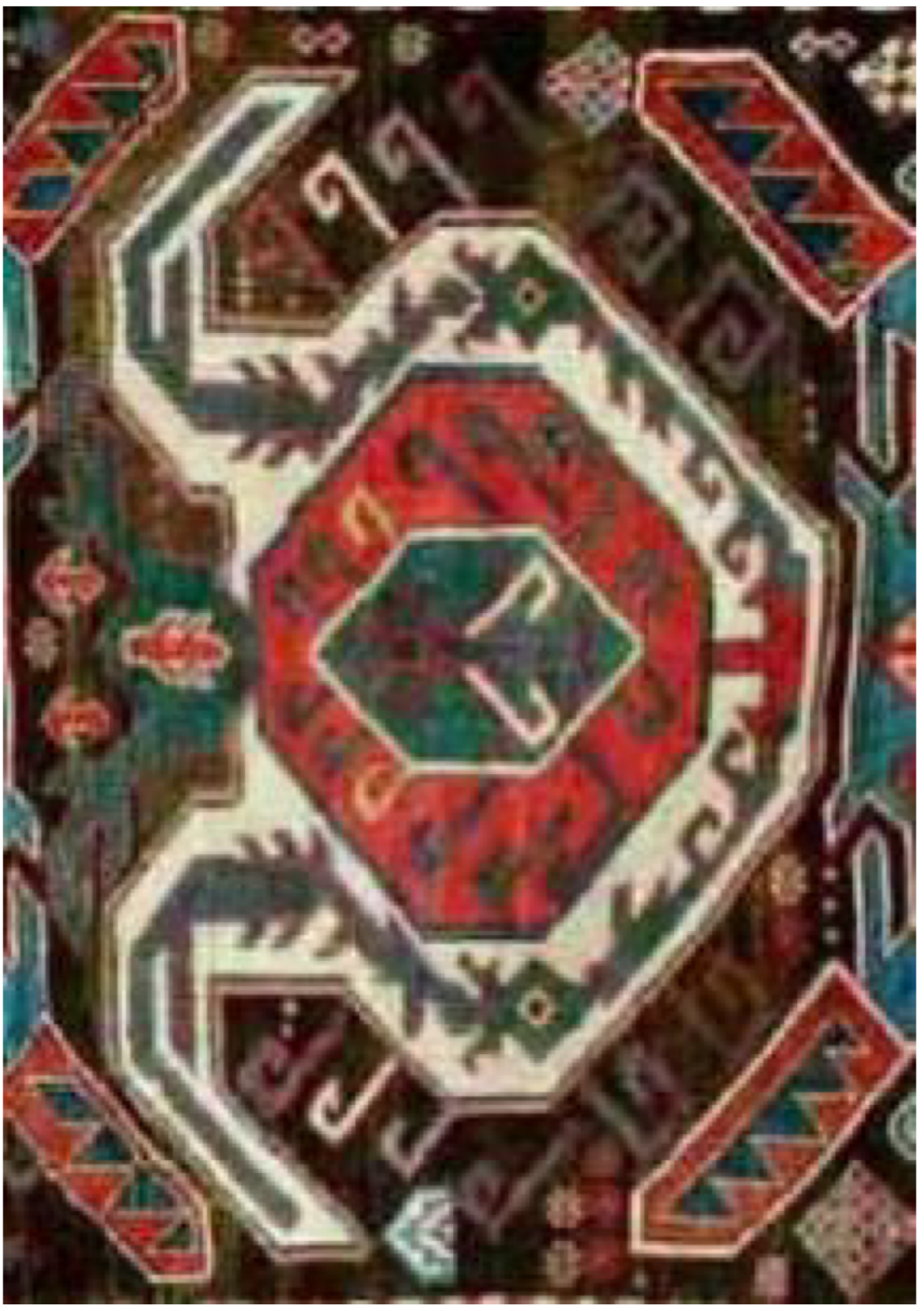
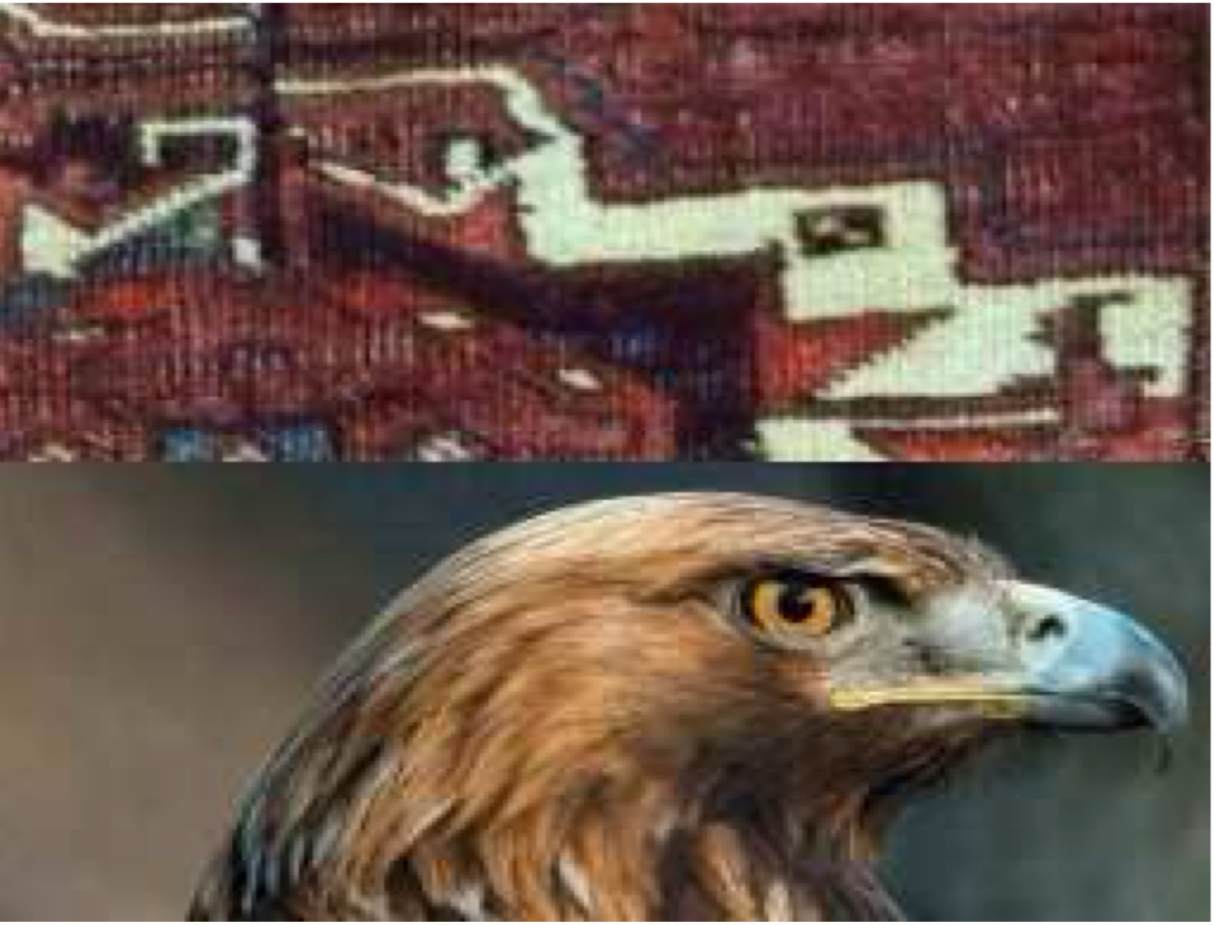
For ancient Turks and the nomadic tribes of Turkmenistan, the eagle was more than just a bird; it represented power, wisdom, and divine protection. In antique Turkmen rugs and woven arts, the eagle appears not just as a decorative motif but as a deeply symbolic and mythological figure. In this article, we explore the origins of the eagle symbol, how it was manifested in tribal art, and its continuing presence in Turkmen culture.
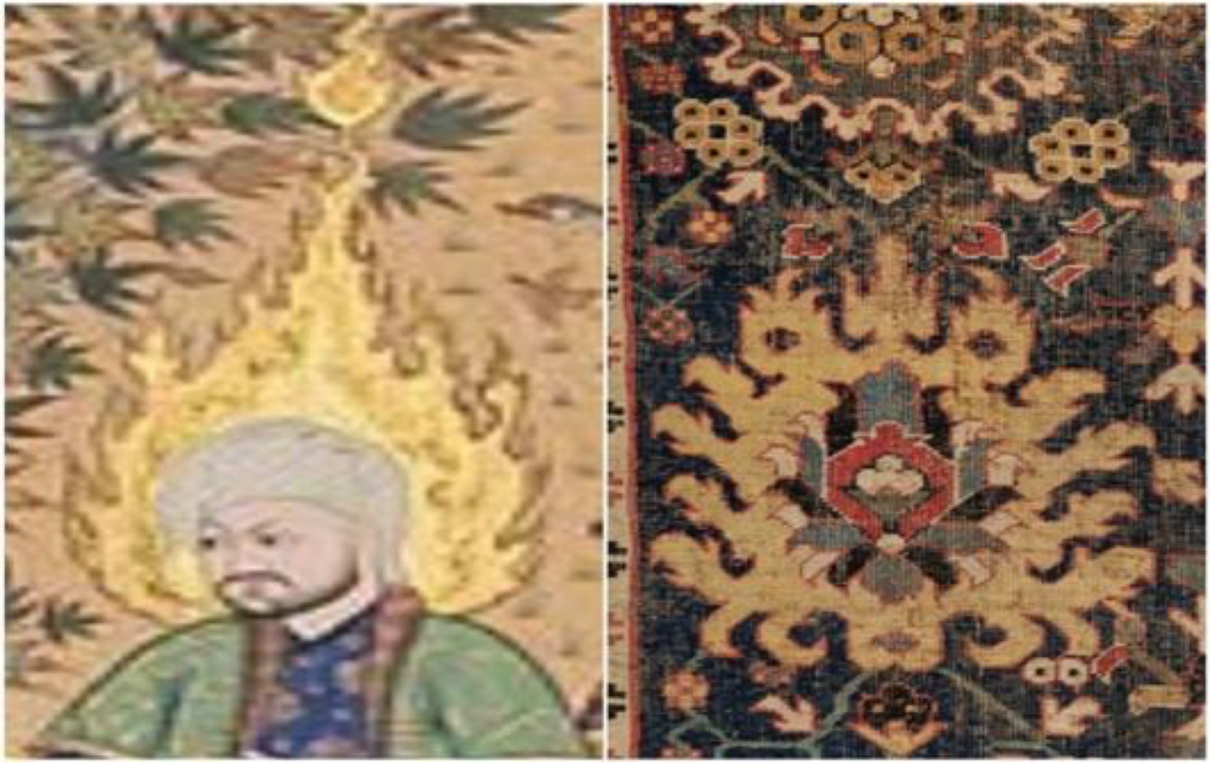
For centuries, a distinctive motif frequently found in classical Safavid carpets has been referred to in the market as “Harshangh” (خرچنگ)—a Persian word meaning crab. Dealers and collectors alike have adopted this term, mistakenly associating the form with crustacean-like claws or organic tendrils. However, this misnaming reveals more about modern commercial simplification than historical intent.
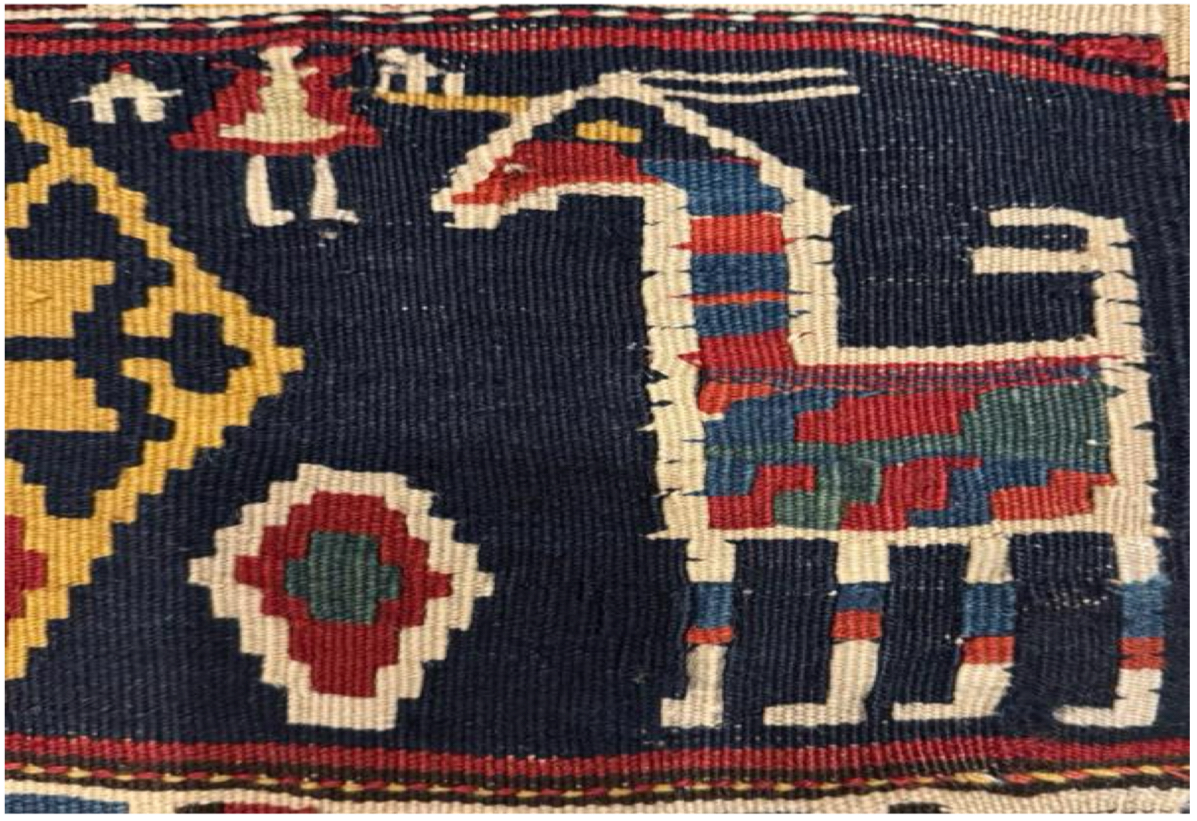
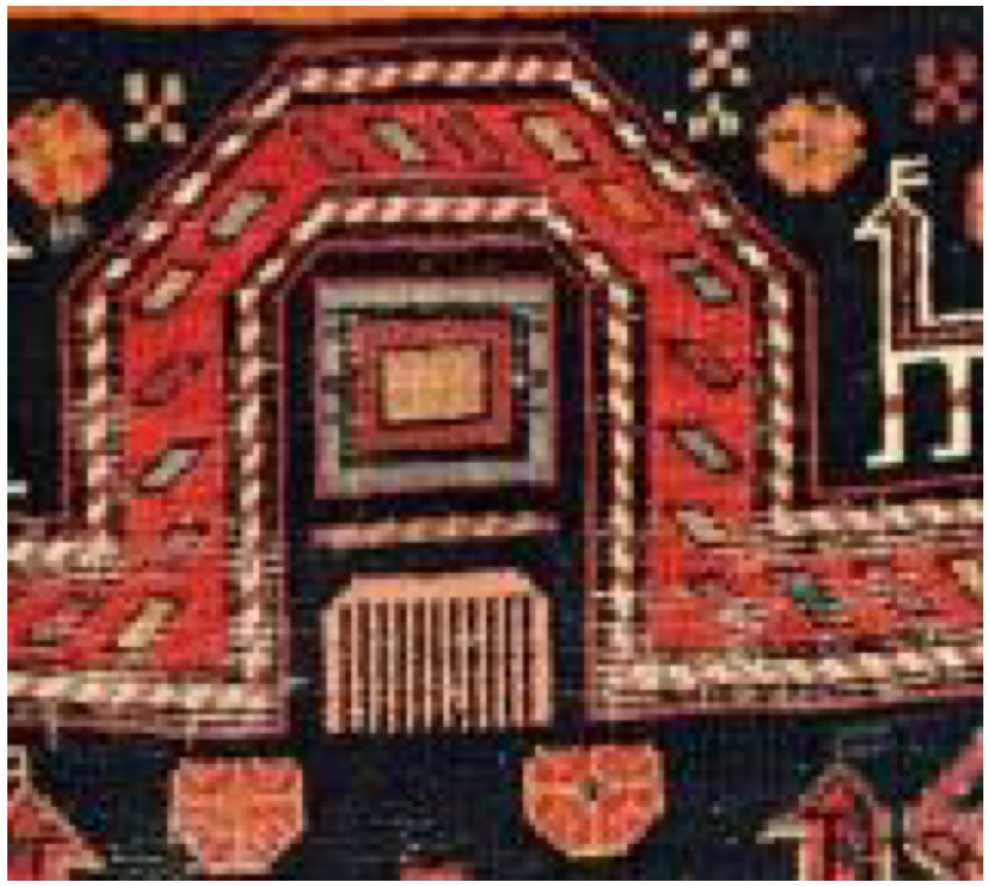
Among the many ancient symbols woven into the textiles of the Caucasus and Central Asia, the comb motif holds a special place. Especially prominent in antique tribal rugs from Azerbaijan — notably in the Shirvan, Quba, and Karabakh regions — this small geometric figure may appear modest at first glance. But upon closer inspection, it reveals deep cultural and symbolic meaning, often connected to purity, femininity, and protection.
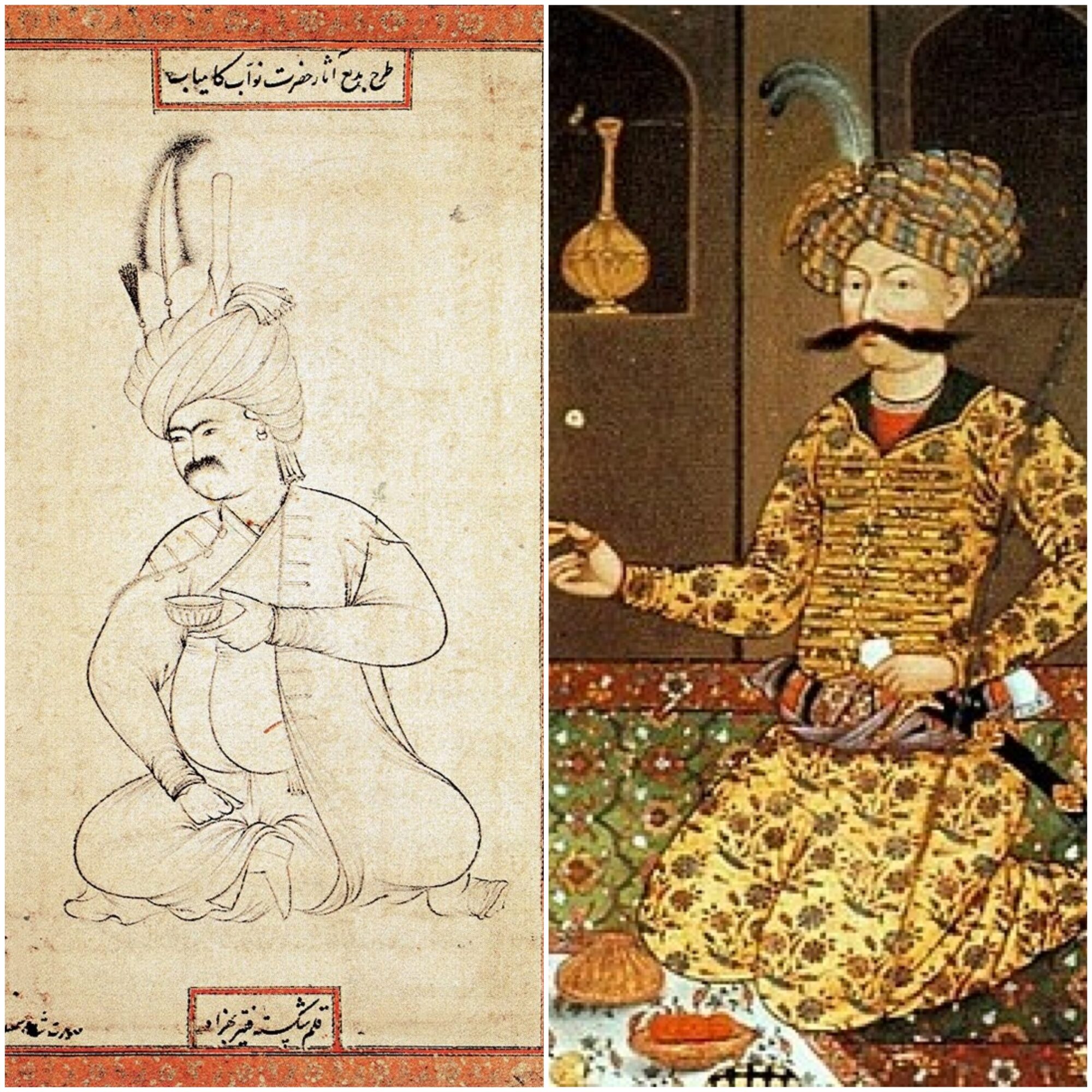
This article examines the Safavid-period artistic tradition as a visual, poetic, and musical manifestation of Sufi thought, focusing on the concept of inner struggle (nafs) as its central axis. Rather than treating Safavid art as a purely decorative or courtly phenomenon, the study argues that Safavid visual culture functioned as a systematic, ever-present reminder of spiritual discipline and inner warfare.